EN
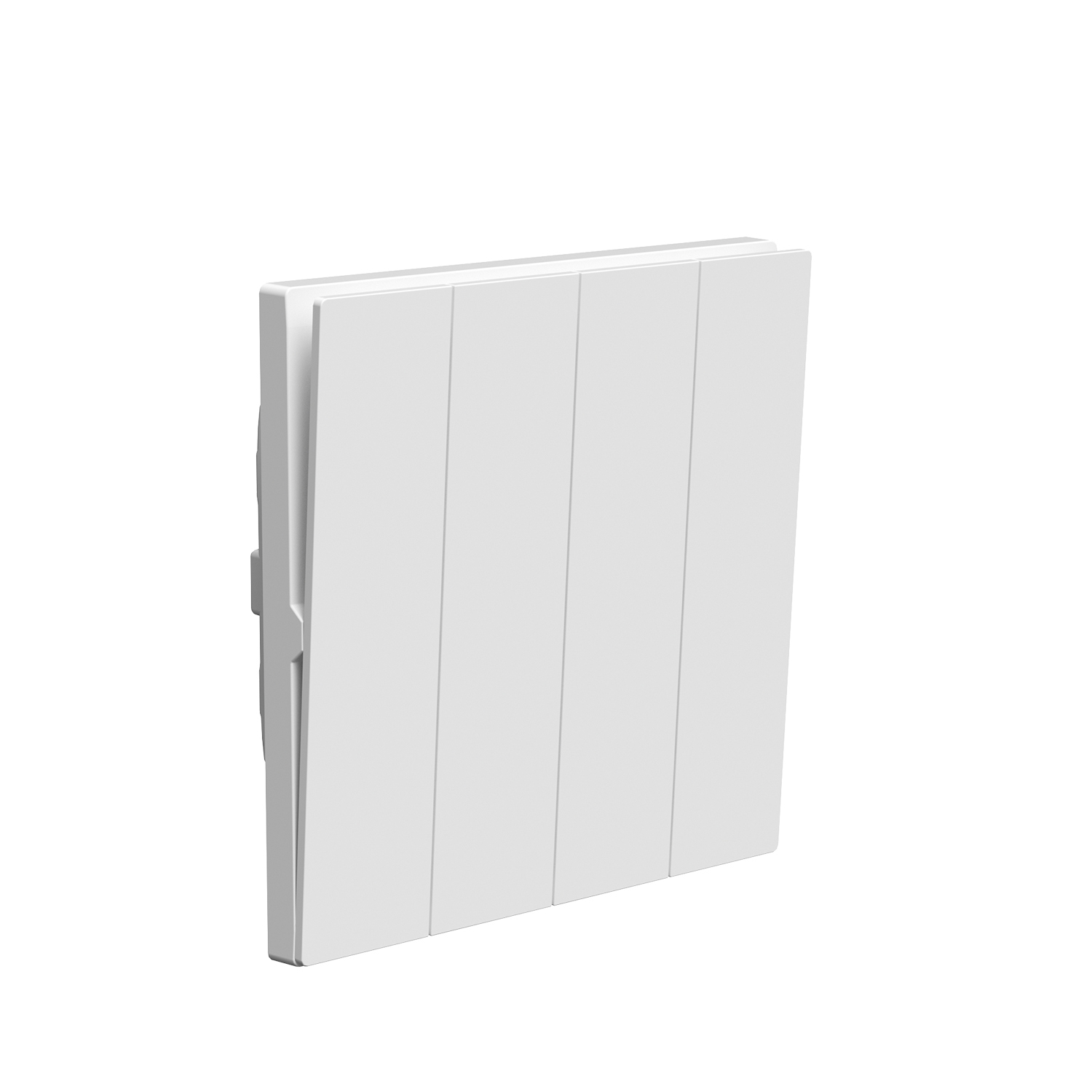
When it comes to electrical installations, fan isolator switches play a crucial role in ensuring safety and functionality. These switches allow users to isolate the power supply to ceiling or wall-mounted fans, facilitating maintenance and reducing risks. For B2B buyers, understanding the intricacies of fan isolator switches—such as specifications, quality standards, and application scenarios—is essential for making informed purchasing decisions. This article will provide key insights into wholesale purchasing tips, specifications to evaluate, quality standards, material advantages, and application scenarios for fan isolator switches.

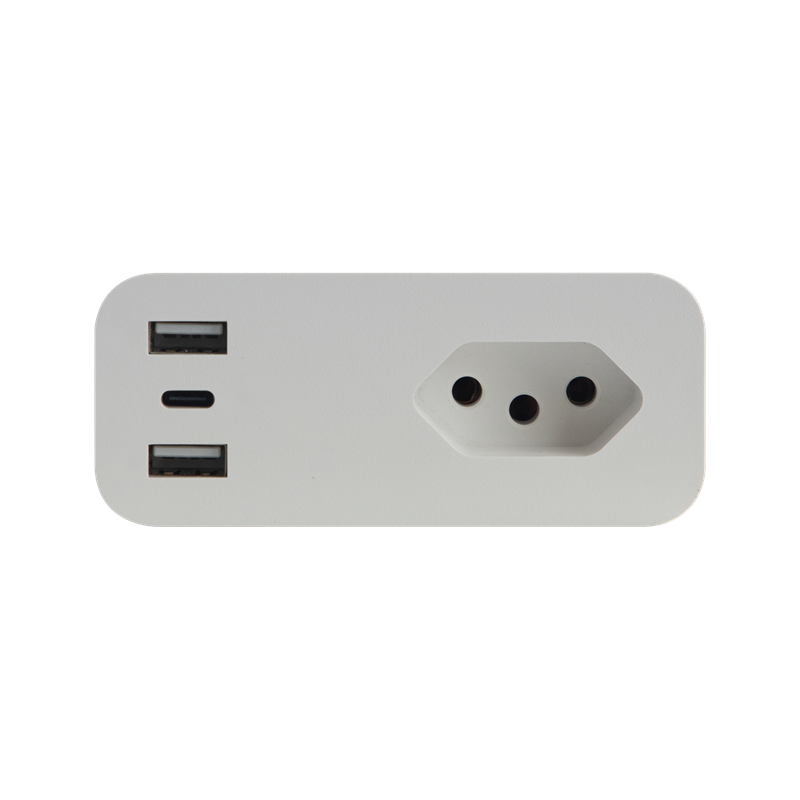
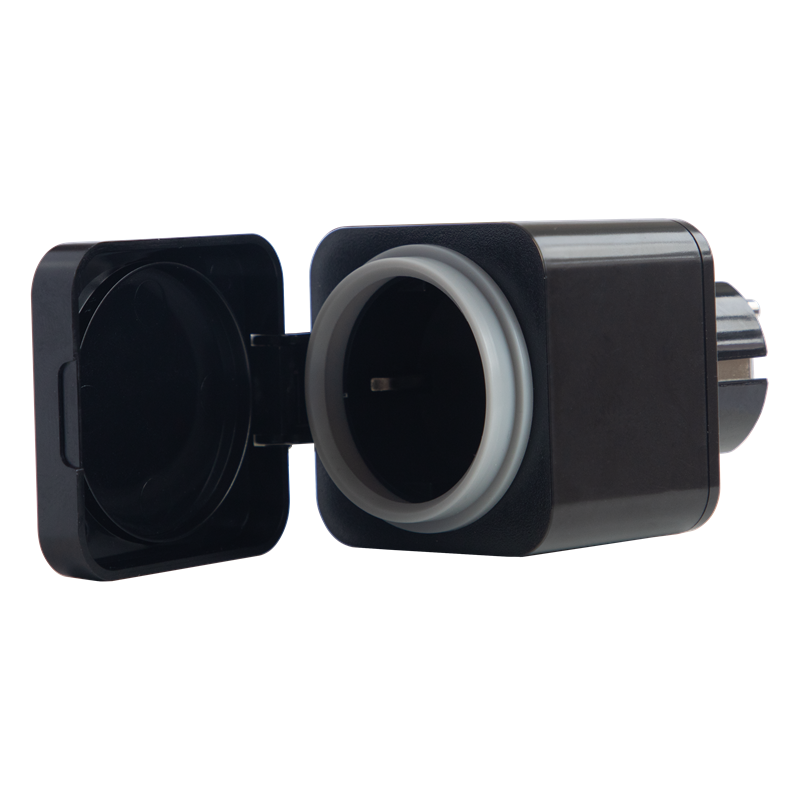

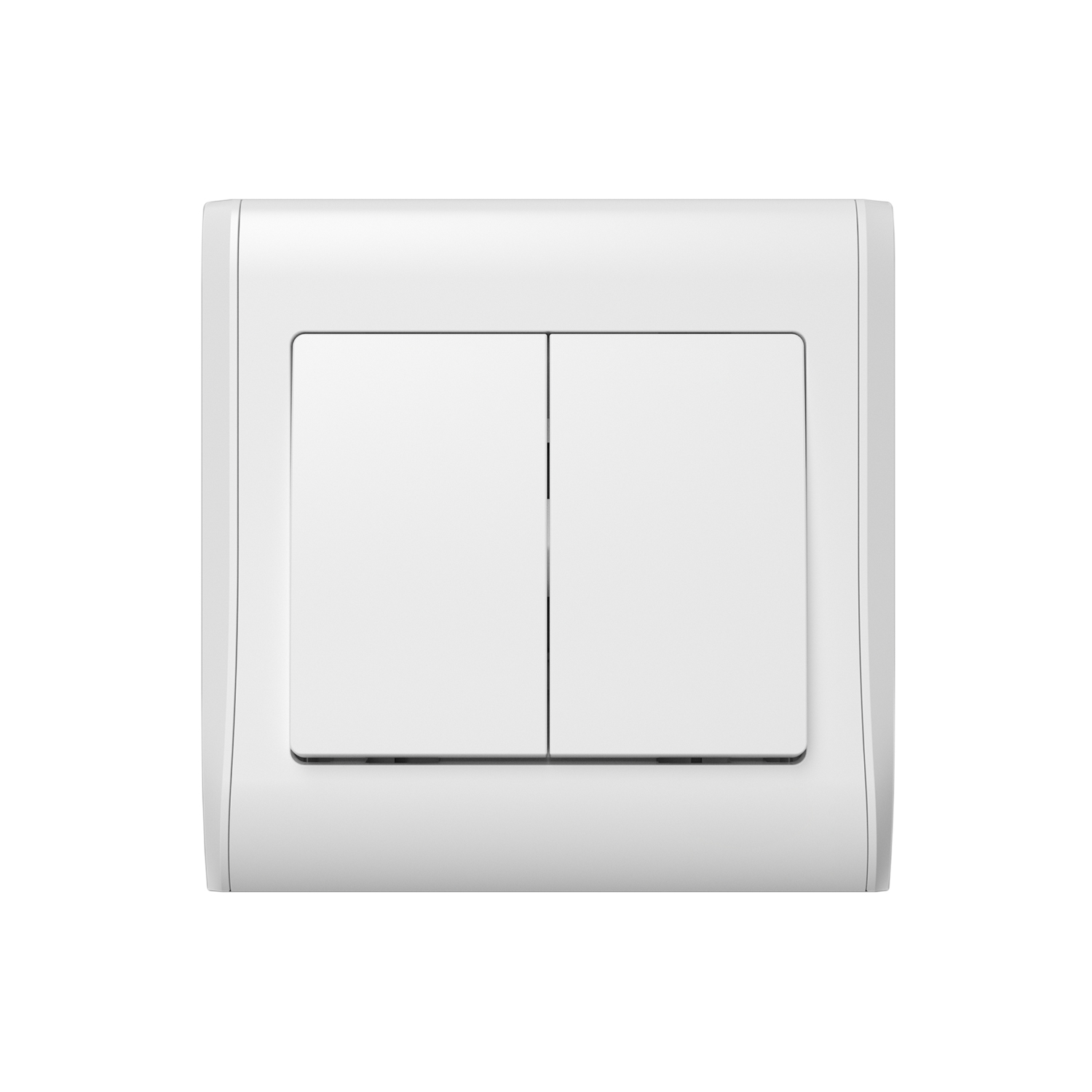
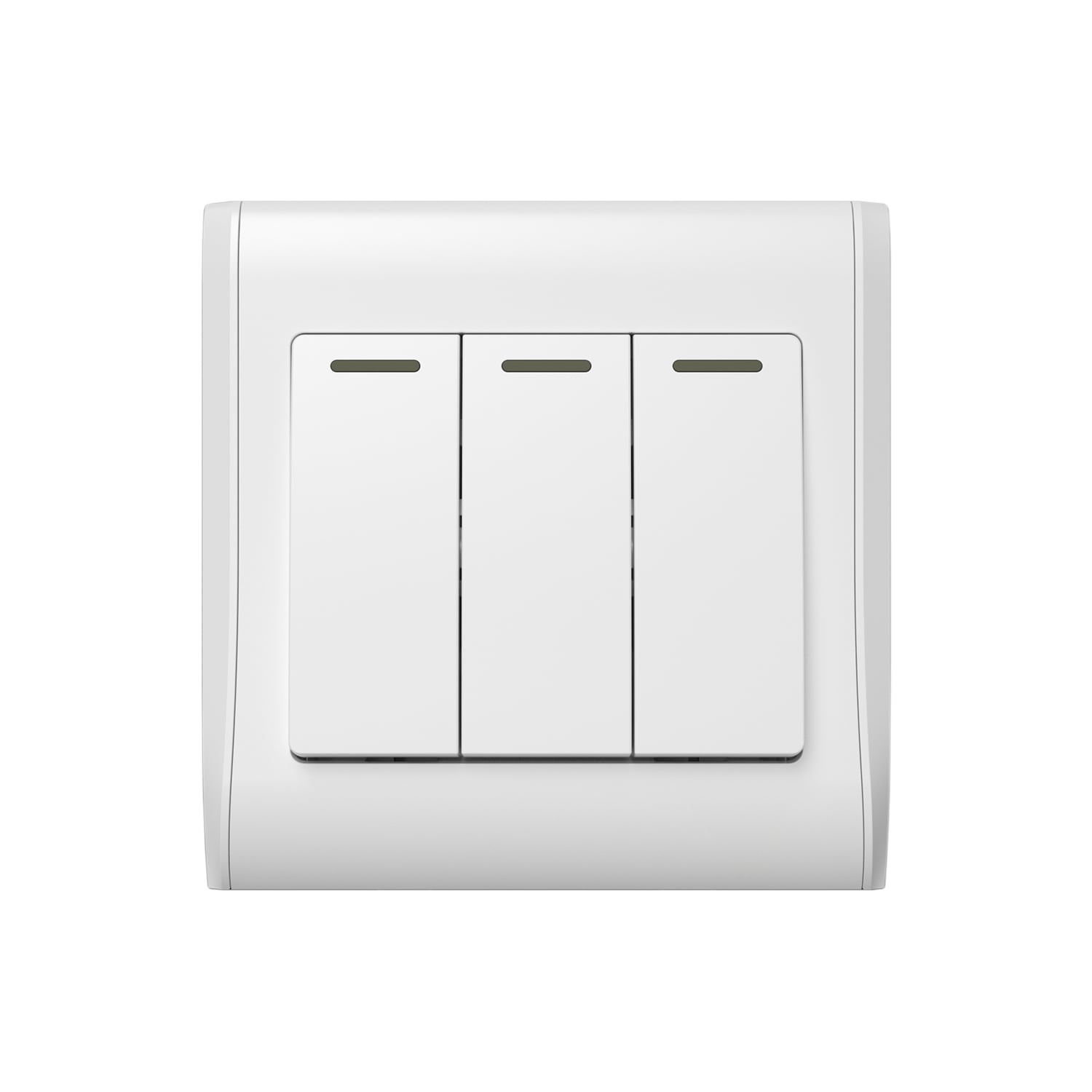
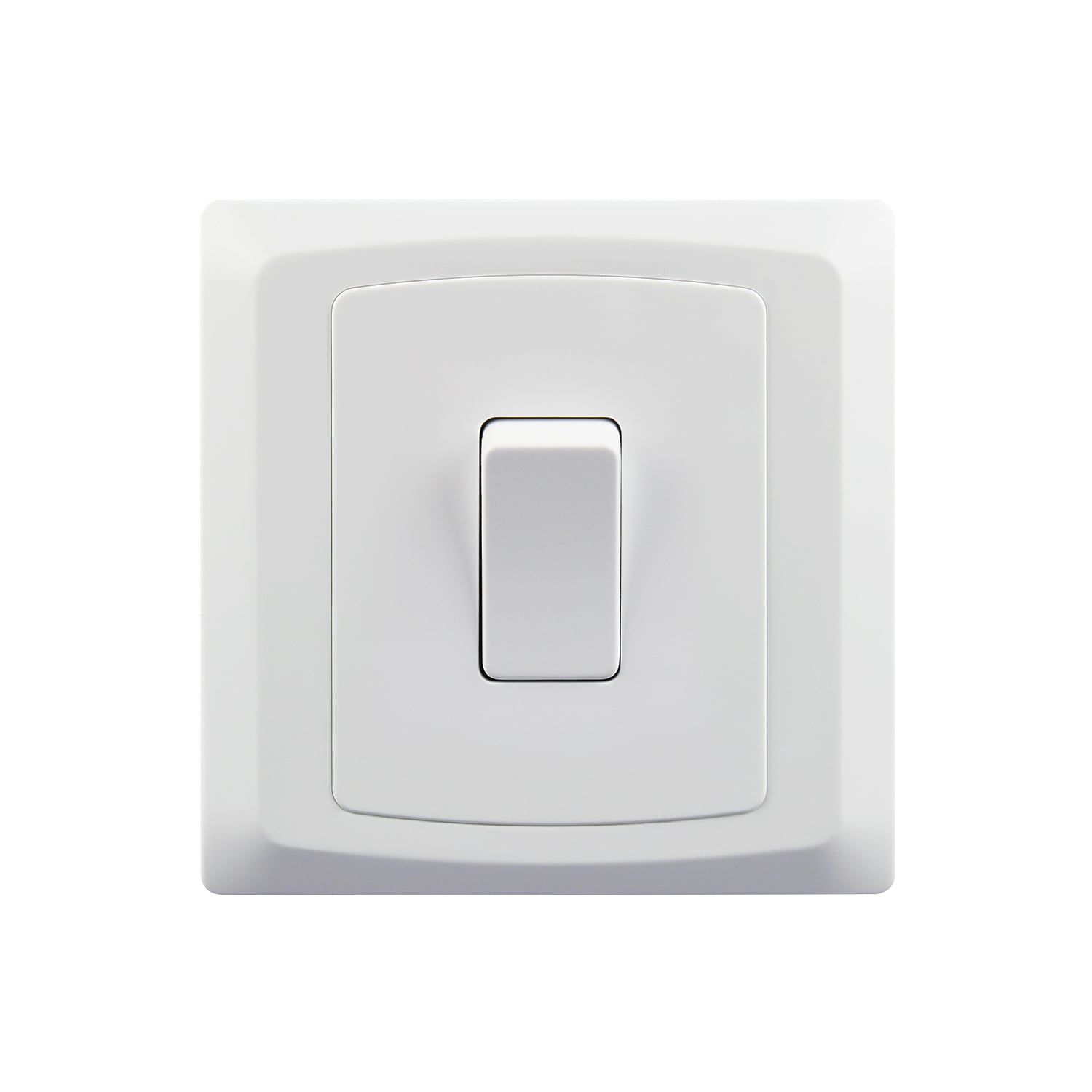
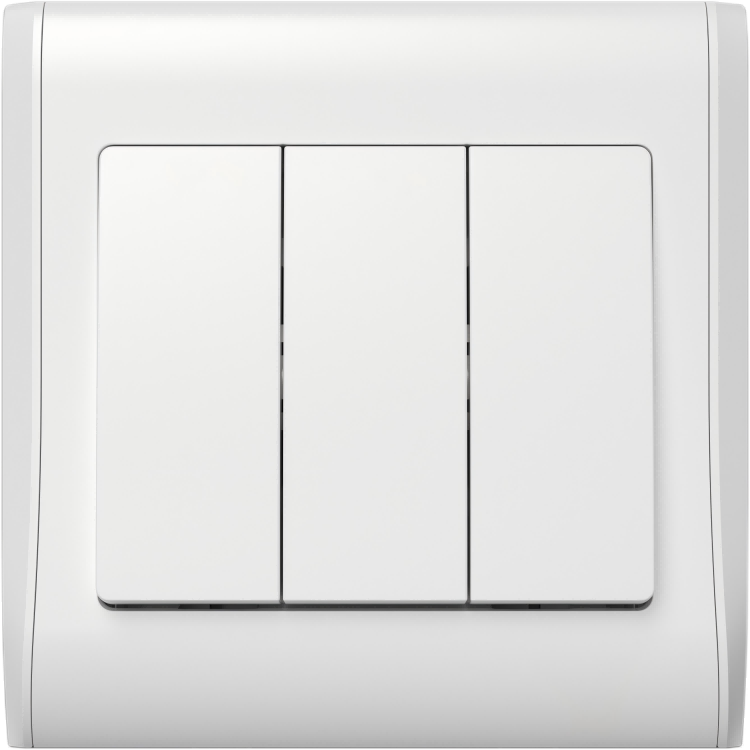
Key Specifications to Evaluate in Fan Isolator Switches
Evaluating the specifications of fan isolator switches is key to ensuring they meet the operational needs of your installation. Focus on the following critical specifications:
Rated Current: This indicates the maximum current the switch can handle. Ensure the rated current matches the requirements of your fans to prevent overheating or failure.
IP Rating: The Ingress Protection (IP) rating assesses the switch's resistance to dust and moisture. For environments exposed to water, such as bathrooms or outdoor areas, a higher IP rating (e.g., IP65) is essential for durability.
Material Composition: The materials used in the switch construction can influence longevity and resistance to environmental factors. For instance, plastic enclosures are lightweight and corrosion-resistant, while metal enclosures may provide enhanced durability in harsh conditions.
Switch Type: Determine whether a single pole or double pole switch is required based on your application. Double pole switches provide an additional layer of safety by isolating both the live and neutral connections.
Mounting Style: Ensure the switch's mounting style (surface or flush mount) is compatible with your installation requirements.
By thoroughly understanding these specifications, buyers can make informed choices that align with their operational needs.