Isolator Switches: Key Specifications & Sourcing Tips

All Categories

isolator switches

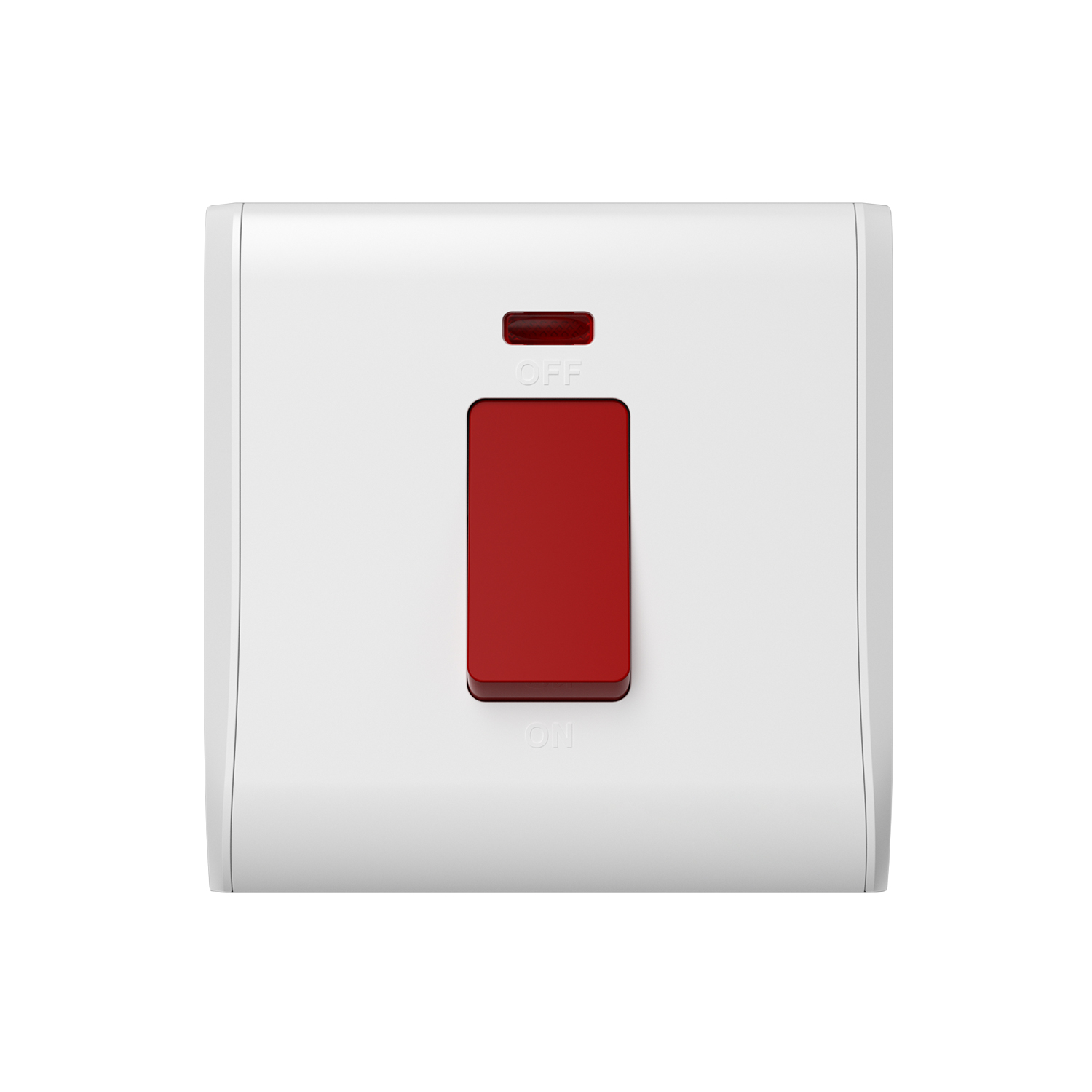
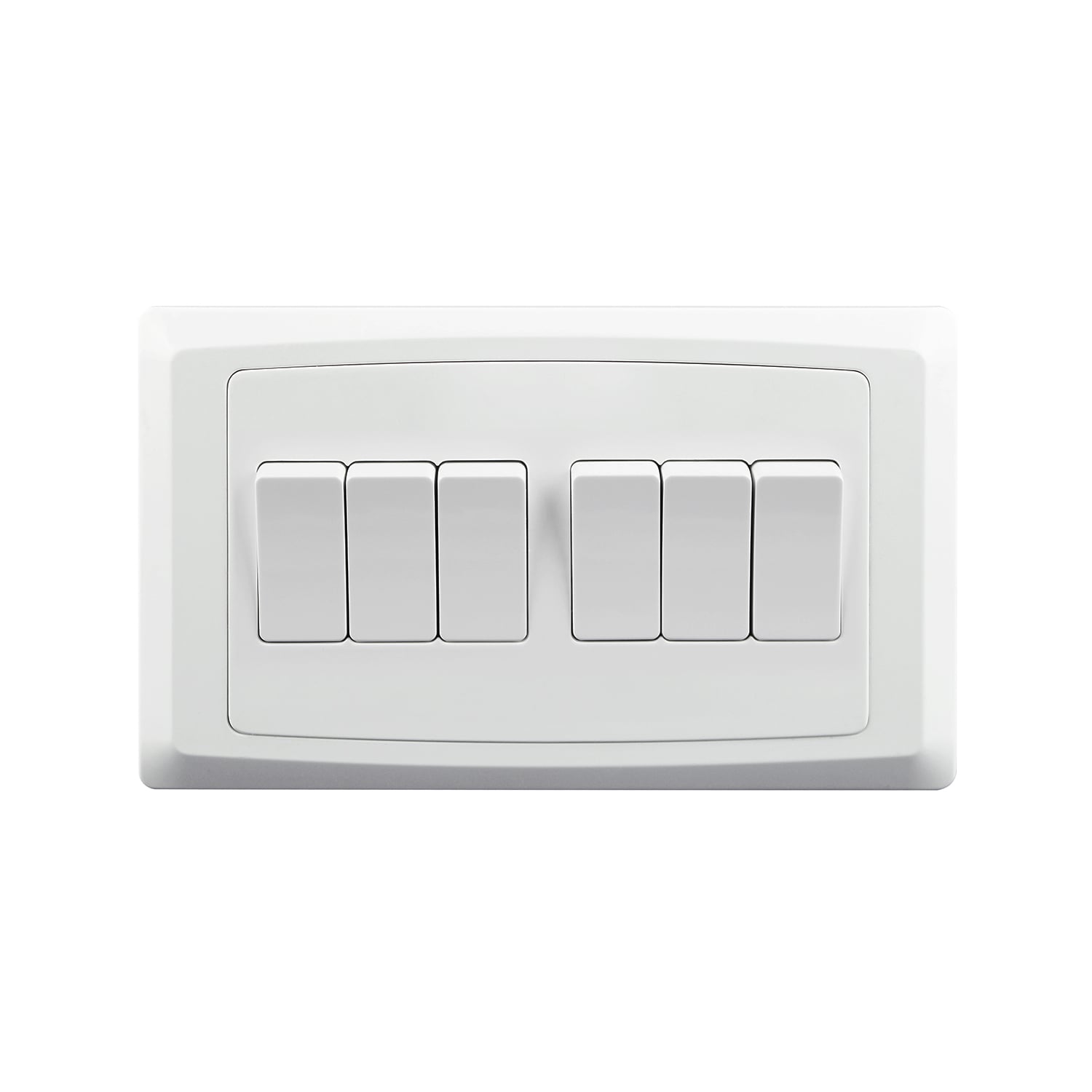
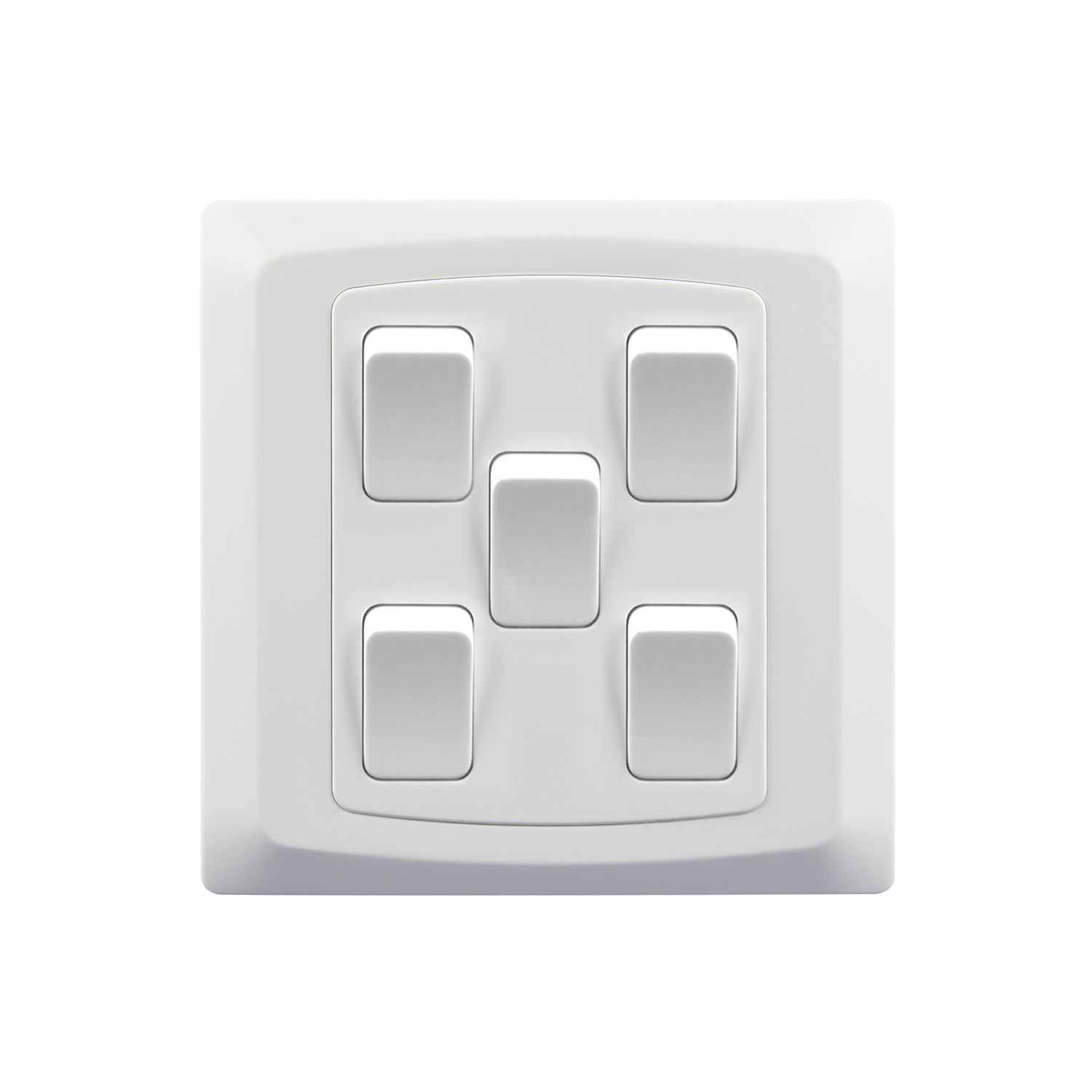
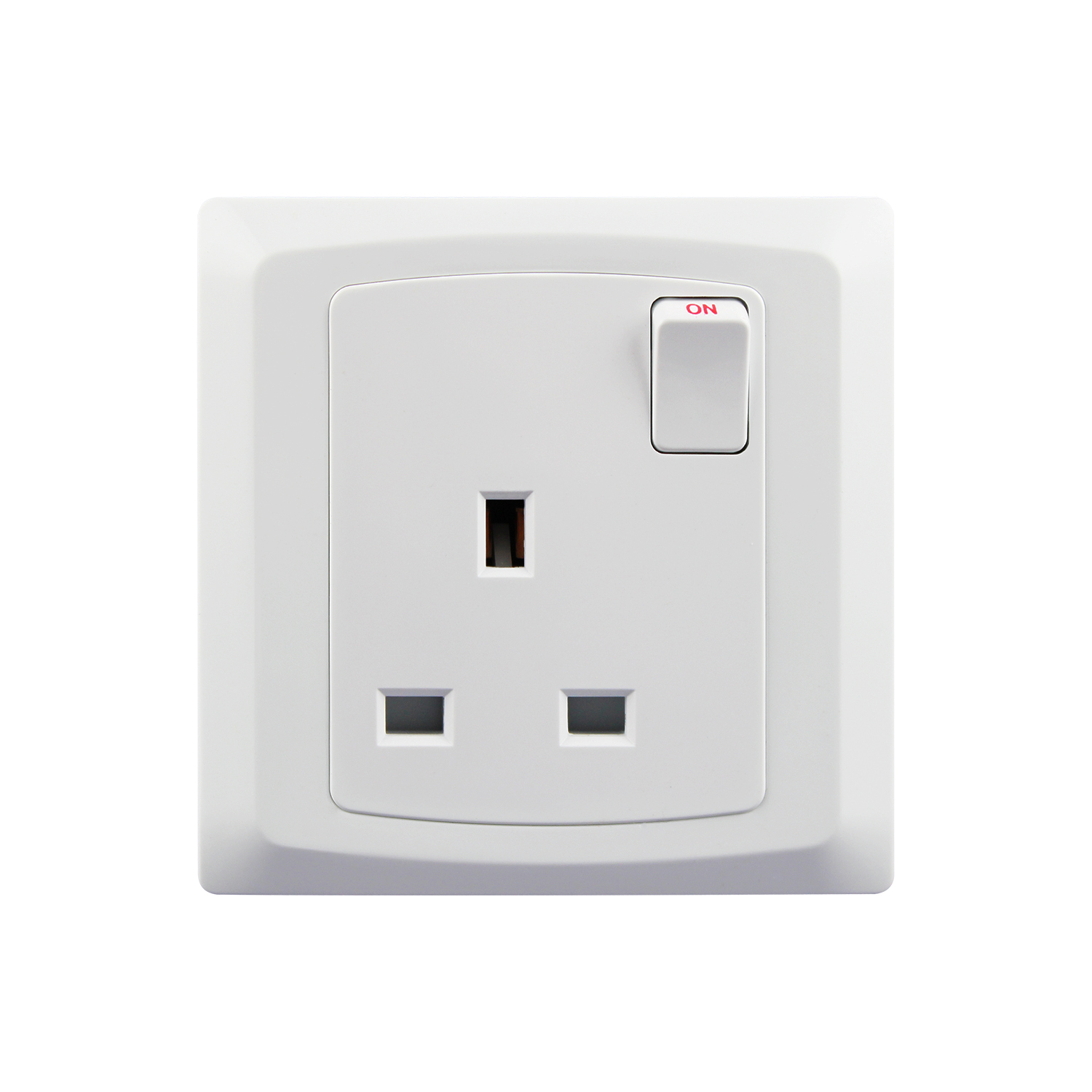
Isolator switches are essential  components in electrical distribution  systems, designed  to safely  disconnect circuits from the power  supply for maintenance or emergency purposes. For B2B buyers,  such  as purchasing managers and engineers, understanding  the specifications,  sourcing options,  and cost factors for  isolator switches is  crucial  for making informed purchasing decisions.  This article will guide readers through the key specifications, sourcing strategies, cost  considerations, and factors  to  maximize  supplier reliability when procuring  isolator switches.
 

Our Products

Where to Source Reliable Isolator Switches for Wholesale Purchases

Where to Source Reliable Isolator Switches for Wholesale Purchases

Sourcing isolator switches requires  careful consideration of suppliers to ensure quality and reliability. Here are some strategies for  finding dependable sources:

Industry Trade Shows: Attending trade shows focused on electrical components can provide direct access  to manufacturers and  suppliers. This interaction allows for immediate  discussions about product specifications, pricing,  and customization  options.

Online Marketplaces: Platforms such as  Alibaba or ThomasNet  can be useful for identifying manufacturers and wholesalers. However, due diligence is essential; verify company credentials and product reviews  before placing orders.

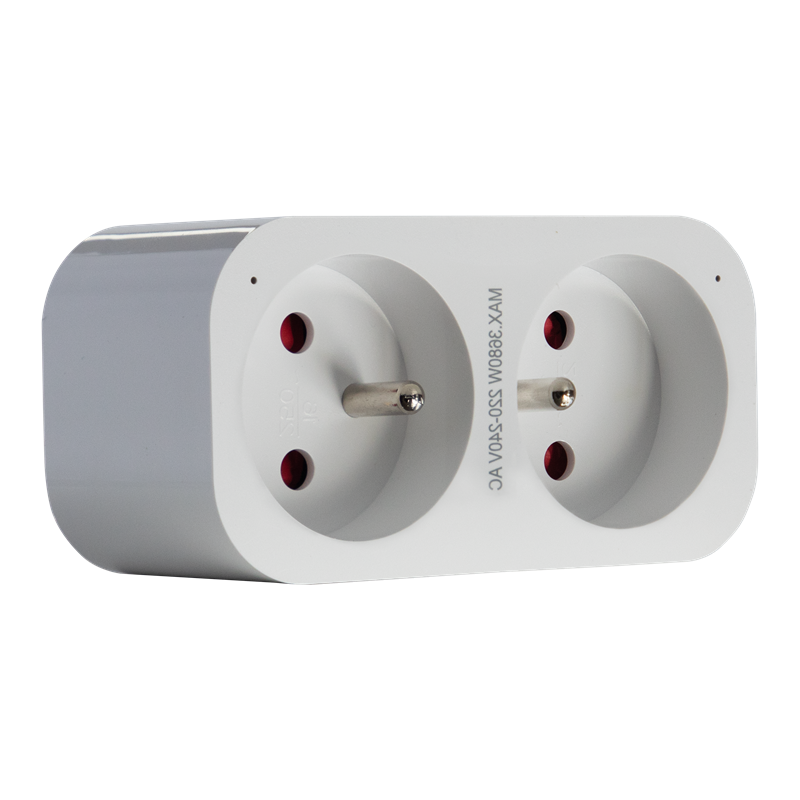
Manufacturer Directories: Utilizing manufacturer  directories can connect buyers  with reputable companies. For instance, Zhejiang TAOS Electric Co., Ltd. specializes in  British Standard wiring accessories and offers a wide range of high-quality  isolator switches, including the DL16244UM-FRA Smart Plug.

Networking: Building relationships with industry contacts can lead to recommendations  for trusted suppliers. Participating in professional organizations and forums can facilitate these connections.

Requesting Samples: Before committing to bulk orders, request samples  to  assess product quality. This allows buyers to evaluate performance  and ensure it meets their specifications.

By exploring these sourcing avenues,  buyers can establish relationships with reliable suppliers  and secure high-quality isolator switches.
Cost Factors When Purchasing Isolator Switches in Bulk Orders

Cost Factors When Purchasing Isolator Switches in Bulk Orders

Understanding the  cost factors involved in purchasing isolator switches in bulk is essential for effective budgeting and negotiations. Key considerations include:

Material Costs: The  choice of materials significantly impacts  the price. Higher-grade materials may lead  to increased costs but often result in better performance and longevity.

Order Quantity: Bulk orders typically offer lower per-unit pricing. However, buyers should balance order sizes with their inventory needs to avoid overstocking.

Customization: Custom features or specifications  can increase costs.  Buyers should clearly outline their  requirements to avoid unexpected expenses.

Shipping  and Handling:  Logistics costs  can vary based on  order size, supplier  location,  and shipping method. It's essential to factor these expenses into the total  cost.

Payment Terms: Negotiating favorable payment terms can also affect overall costs. Consider options  such as bulk payment discounts or extended payment timelines.


Market Trends: Prices can fluctuate based on market demand and supply chain factors. Staying informed  about industry trends can help  buyers  anticipate cost changes.

By understanding these cost factors, buyers can make informed decisions and identify potential savings when purchasing isolator switches in bulk.

 
What to Look For

What to Look For

When selecting isolator switches, several additional factors come into play  beyond basic specifications:

Ease of  Installation: Look for switches that come with  clear installation instructions and necessary hardware. This can reduce installation  time and costs.

Maintenance Requirements: Some isolator switches  require regular maintenance to ensure optimal performance.  Buyers should consider how maintenance  will fit into their operational routines.

Supplier Support:  A reputable supplier should offer robust customer support, including technical guidance, warranty information, and  after-sales service. This support  can  be invaluable in  resolving issues that may arise.


Performance  Under Different Conditions: Consider the operational environment. Isolator switches need to perform reliably under various conditions,  including temperature extremes and humidity. Ensure that  the switches are rated for the specific environmental challenges they will face.

Interoperability: Ensure  that  the isolator switches are compatible with  existing equipment and systems. This compatibility minimizes the risk of operational disruptions.

By focusing on these additional considerations, buyers can select isolator switches  that not only meet their specifications but also enhance overall operational efficiency.

Maximizing Supplier Reliability for Your Isolator Switch Needs

To ensure that your supplier can consistently  meet your isolator switch  needs, consider implementing the following strategies:

Supplier Assessment: Conduct a thorough assessment of  potential suppliers. Evaluate their manufacturing capabilities, quality control processes, and certifications to ensure  they adhere to industry standards.

Trial Orders: Before committing to  large orders,  initiate trial orders to assess the supplier’s product quality  and delivery  reliability. This can help identify  any potential issues before they impact your operations.

Building Relationships:  Establishing  a strong relationship with your supplier can lead to better communication and responsiveness. Regular check-ins can help address any  concerns proactively.

Feedback  Mechanisms: Implement feedback loops to communicate performance  and quality issues back to the supplier. This will enable continuous improvement  and  foster a collaborative working relationship.

Diversification: Consider working with multiple suppliers for critical components. This diversification can mitigate risks associated  with supply chain disruptions or quality  inconsistencies.

By focusing on supplier reliability, buyers can ensure a  steady supply of high-quality isolator switches and maintain  operational efficiency.

Key Specifications for Buyers

When evaluating isolator switches, several key specifications  should  be considered to ensure they meet the  intended application requirements.

Current  Rating: This specification indicates  the maximum current the switch can handle. Buyers should select a switch  with a current rating that exceeds the expected load to ensure safe operation.

Voltage  Rating: The voltage rating must  match the system’s  requirements. An incorrect voltage rating can lead to switch failure or electrical  hazards.

Material:  Isolator  switches are  typically made from high-quality materials like thermoplastics or metals. The choice  of material affects  durability, resistance to environmental factors, and overall performance.

Pole Configuration: Buyers need to choose between single-pole, double-pole, or multi-pole configurations based on  the design of their electrical system.

Mounting Type: Isolator switches can  be surface-mounted or panel-mounted. The selection should align with installation preferences and space constraints.

Certifications: Look for switches compliant with relevant industry standards such as IEC or UL. Certifications assure quality and safety, which can be critical for regulatory compliance. For instance, the Downlight Spotlight product line adheres to these standards.

Understanding  these specifications helps buyers ensure the chosen isolator switch is suitable for their specific application, minimizing  risks of operational failures.


Get a Free Quote

Our representative will contact you soon.
Email
Name
Mobile
Company Name
Message
0/1000

Related product categories

WhatsApp: +86-13626773071
Live Chat

Get a Free Quote

Our representative will contact you soon.
Email
Name
Mobile
Company Name
Message
0/1000