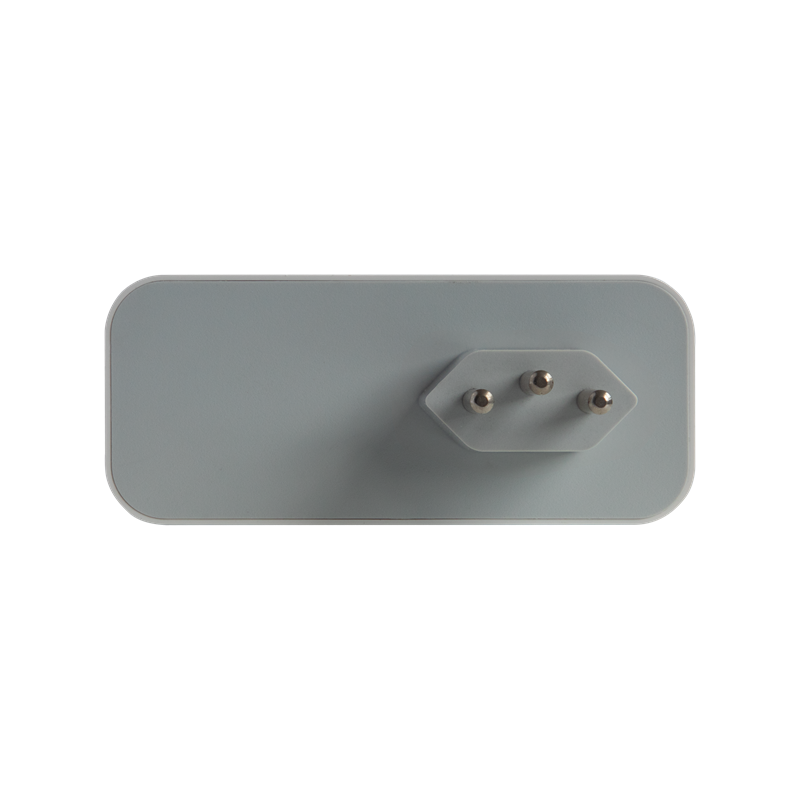
Key Specifications for Car Charging Socket Purchases

All Categories

car charging socket

Car&nbsp; charging sockets are&nbsp; essential components for electric vehicles, facilitating the efficient transfer of&nbsp; electricity&nbsp; from&nbsp; the&nbsp; power&nbsp; grid to a vehicle's&nbsp; battery. In&nbsp; the B2B landscape,&nbsp; purchasing managers and engineers&nbsp; must consider several factors when&nbsp; sourcing&nbsp; these sockets,&nbsp; including&nbsp; specifications, quality, and application suitability. This article aims&nbsp; to&nbsp; provide a comprehensive understanding of what to look for in car charging sockets, helping you&nbsp; make informed decisions for&nbsp; your&nbsp; business needs.</p>

Our Products

How to Evaluate the Quality of Car Charging Sockets for Bulk Orders

How to Evaluate the Quality of Car Charging Sockets for Bulk Orders

Evaluating&nbsp; the quality of car charging sockets is crucial, especially when placing bulk orders. Here are&nbsp; several factors to consider:


Manufacturer Reputation: Partner with established manufacturers like Zhejiang TAOS Electric Co., Ltd., which specializes in precision manufacturing and engineering. Look for companies with a proven track record in producing high-quality&nbsp; wiring accessories.

Quality Control Processes: Ensure that the manufacturer employs rigorous quality control measures, including testing at various production stages. Ask about their ISO certifications or other quality&nbsp; assurance processes to confirm adherence to&nbsp; industry standards.

Sample Approval: Before committing to a bulk order, request samples of the car charging sockets. Evaluate the sample's physical&nbsp; attributes, including fit, finish, and functionality, under real-world&nbsp; conditions to ensure they meet your expectations.

Customer Feedback: Seek testimonials&nbsp; or case studies from other businesses that have previously&nbsp; sourced from the&nbsp; manufacturer. This can provide insights into the&nbsp; product's performance and reliability over time.

Technical&nbsp; Support: A reputable&nbsp; supplier should offer&nbsp; robust customer service and technical support.&nbsp; This is vital for troubleshooting any issues that may arise during installation or&nbsp; operation.

By focusing on these factors, you can minimize risks and ensure that the&nbsp; charging sockets you&nbsp; select will&nbsp; meet the demands of your operations.

Comparing Material Advantages of Different Car Charging Sockets

Comparing Material Advantages of Different Car Charging Sockets

The materials used in car charging sockets significantly influence&nbsp; their performance, durability, and cost. Here are some common materials and&nbsp; their advantages:

Thermoplastics: Often used for&nbsp; housings, thermoplastics are lightweight, resistant to&nbsp; corrosion, and can withstand temperature fluctuations. They are&nbsp; ideal for applications where weight&nbsp; savings are essential.

Aluminum: This material offers&nbsp; excellent strength-to-weight ratios and durability. Aluminum sockets can resist corrosion better&nbsp; than many other materials, making them suitable&nbsp; for outdoor installations.

Stainless Steel: Known&nbsp; for its high resistance to&nbsp; corrosion and mechanical strength, stainless steel&nbsp; is an excellent choice for environments exposed to harsh conditions, such as&nbsp; coastal areas&nbsp; where saltwater may be a&nbsp; concern.

Copper Contacts: Copper is preferred for electrical contacts&nbsp; due&nbsp; to its excellent conductivity. Ensure that the socket features high-quality copper contacts to minimize energy loss and improve&nbsp; charging efficiency. Additionally, consider using a Smart Sensor to optimize charging performance.

When selecting materials, consider the operational environment and expected lifespan of&nbsp; the sockets. This&nbsp; helps ensure that you select the most appropriate option for your specific application.

Applications of Car Charging Sockets Across Various Industries

Applications of Car Charging Sockets Across Various Industries

Car charging sockets are versatile and find applications&nbsp; across&nbsp; several industries. Here are some notable examples:

Automotive Industry: Essential for electric vehicle manufacturers and service providers, ensuring&nbsp; reliable&nbsp; access&nbsp; to charging&nbsp; infrastructure.

Fleet Management: Companies operating electric vehicle fleets require&nbsp; robust charging solutions to minimize downtime and maximize operational efficiency.

Commercial&nbsp; Real Estate:&nbsp; Property developers and managers are increasingly installing charging stations in parking facilities to attract&nbsp; tenants and employees with electric&nbsp; vehicles.

Public&nbsp; Charging Stations: Municipalities and private companies are investing in public charging infrastructure&nbsp; to&nbsp; support the growing number of electric vehicles on the road.

Renewable Energy Integration: Charging sockets&nbsp; are also&nbsp; used in conjunction with solar panels and other&nbsp; renewable energy sources to promote sustainable energy&nbsp; consumption.

Understanding these applications can&nbsp; help you identify&nbsp; potential markets and tailor your product offerings accordingly.

How to Choose the Best Car Charging Socket for Your Business Needs

Selecting the best car charging&nbsp; socket for&nbsp; your business involves a systematic approach:

Assess Your Application Requirements: Determine the specific needs of your&nbsp; business or project. Consider factors such as charging speed,&nbsp; volume of&nbsp; use, and the types of EVs&nbsp; you expect&nbsp; to service.

Define Technical&nbsp; Specifications: Based on your application, outline the&nbsp; necessary technical specifications, including voltage, current rating, and environmental ratings.

Evaluate Supplier&nbsp; Capabilities: Research potential suppliers to ensure they can meet&nbsp; your&nbsp; quality and&nbsp; customization requirements. Assess their manufacturing capabilities, production volume, and lead times.

Request Prototypes: Before&nbsp; finalizing your&nbsp; choice, request prototypes to&nbsp; evaluate their performance under expected conditions. This step is crucial for confirming that the sockets meet your operational standards.

Consider Long-term Support: Select a supplier&nbsp; that offers ongoing technical support, warranty options, and spare parts availability. This can significantly&nbsp; reduce operational&nbsp; disruptions in the long run.

By&nbsp; following these steps, you can ensure that you select the right car charging sockets that align with your business needs and industry standards.

Key Specifications to Consider for Car Charging Socket Purchases

When purchasing car charging sockets, several key specifications should be at the forefront of your decision-making process:


Compatibility: Ensure that the socket is compatible with various electric vehicle models and charging standards, such as Type 1, Type&nbsp; 2,&nbsp; or CCS&nbsp; connectors.&nbsp; The right choice depends on the predominant EV types in your market.

Voltage and Current Ratings: Charging sockets&nbsp; must be rated for the voltage and current levels they will encounter. Common ratings include 7kW (32A) and 22kW (32A&nbsp; or 63A)&nbsp; for AC charging. Ensure that the specifications align with your charging infrastructure.

Weather Resistance: Depending on installation locations, sockets may need to withstand environmental factors. Look for&nbsp; IP ratings (e.g., IP54 or IP65) indicating resistance&nbsp; to dust&nbsp; and water.

Durability: The&nbsp; materials used in the socket, such as&nbsp; thermoplastics or metals, should withstand repeated use and&nbsp; environmental stress. A robust design can extend the product's lifespan&nbsp; and reduce maintenance costs.

Safety Features: Incorporate safety&nbsp; features such as overcurrent protection, temperature monitoring, and ground fault detection to ensure safe&nbsp; operation, especially in commercial applications. For enhanced functionality, consider integrating a Smart Control Panel to monitor these features effectively.

Understanding&nbsp; these&nbsp; specifications ensures you choose a socket that meets the&nbsp; operational demands while providing safety and reliability.

Get a Free Quote

Our representative will contact you soon.
Email
Name
Mobile
Company Name
Message
0/1000

Related product categories

WhatsApp: +86-13626773071
Live Chat

Get a Free Quote

Our representative will contact you soon.
Email
Name
Mobile
Company Name
Message
0/1000