WiFi Light Switch: Key Specifications and Sourcing Tips

All Categories

wifi light switch

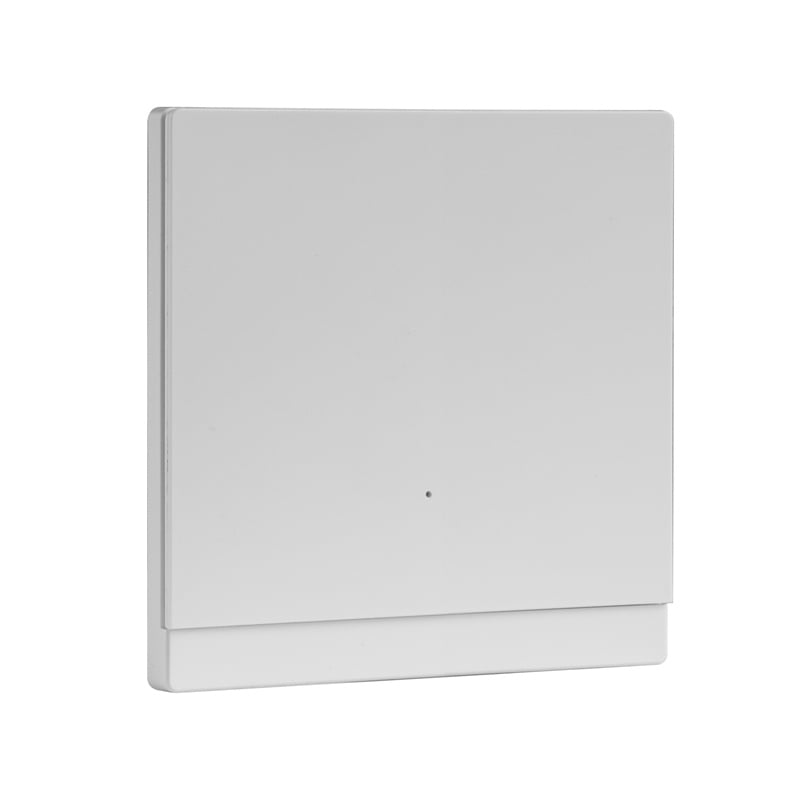
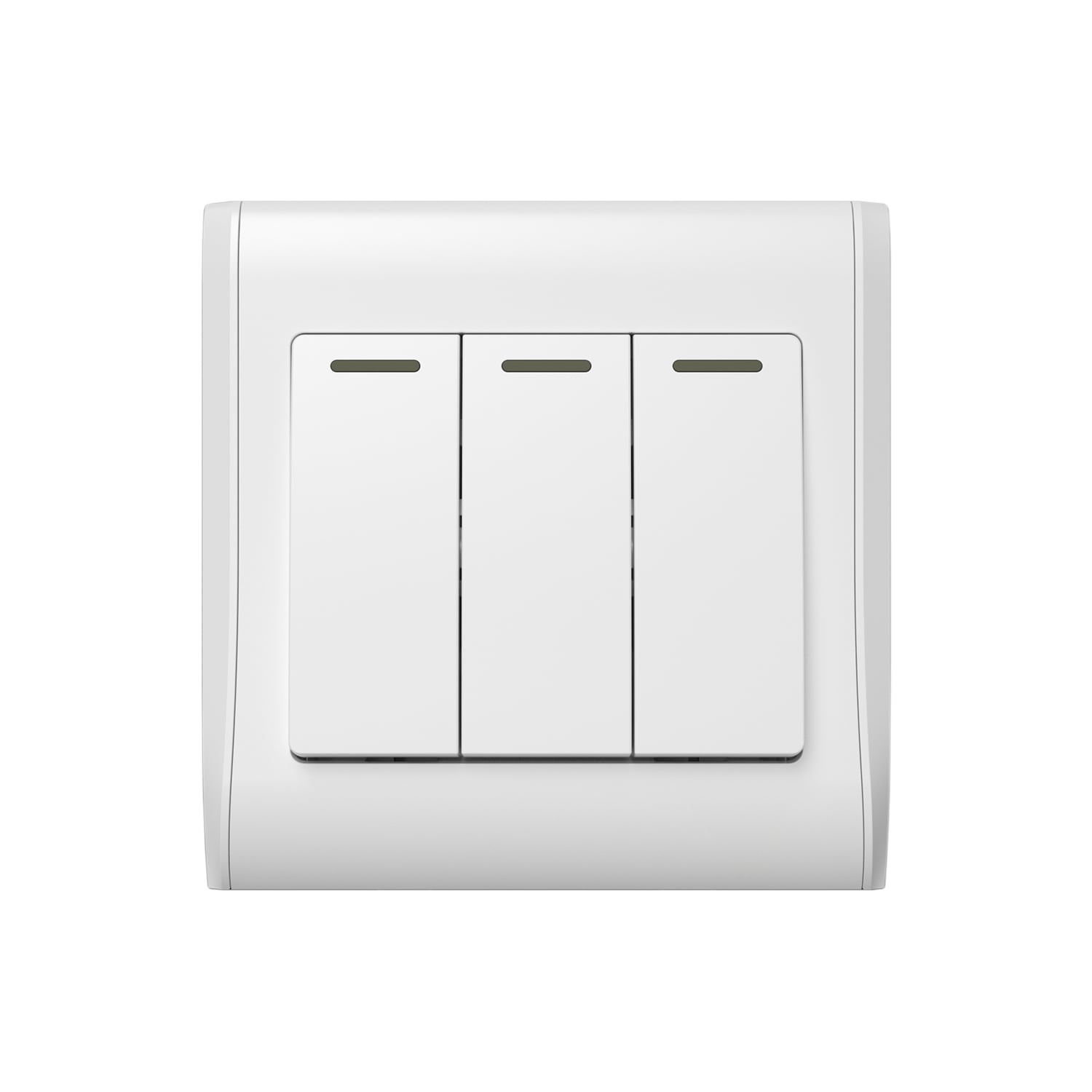
WiFi  light switches are innovative devices that allow  users to control  lighting remotely via smartphones  or voice-activated assistants. As commercial spaces increasingly adopt  smart technology,  purchasing  managers must consider  various factors,  including specifications, quality,  installation,  and  cost.  This article will guide you through understanding  WiFi  light switch features, evaluating product quality, sourcing reliable suppliers, installation guidelines, and  key  cost  factors  to help you make informed  purchasing decisions.

Our Products

Evaluating the Quality of WiFi Light Switch Products

Evaluating the Quality of WiFi Light Switch Products

Quality evaluation of WiFi  light switches involves assessing various factors, including materials,  certifications, and manufacturing processes. Here are some key points to consider:

Material Selection: High-quality  switches typically feature durable  plastics  or metals that withstand wear and environmental  factors. In commercial  settings,  switches must endure higher usage  rates,  making robust material choice  critical. Additionally, consider smart lighting solutions like Downlight Spotlight.

Certifications:  Look for products  that comply  with international safety  standards, such as CE or UL certifications. These certifications ensure that the  switches have undergone rigorous testing for safety and performance.

Quality Control: Inquire about the manufacturer's quality control processes. A reputable supplier  should have a structured inspection  protocol  in place, including tests for electrical safety, connectivity, and overall functionality.

By focusing on these quality indicators,  you can avoid common pitfalls, such as purchasing devices that fail prematurely or do not perform as expected.
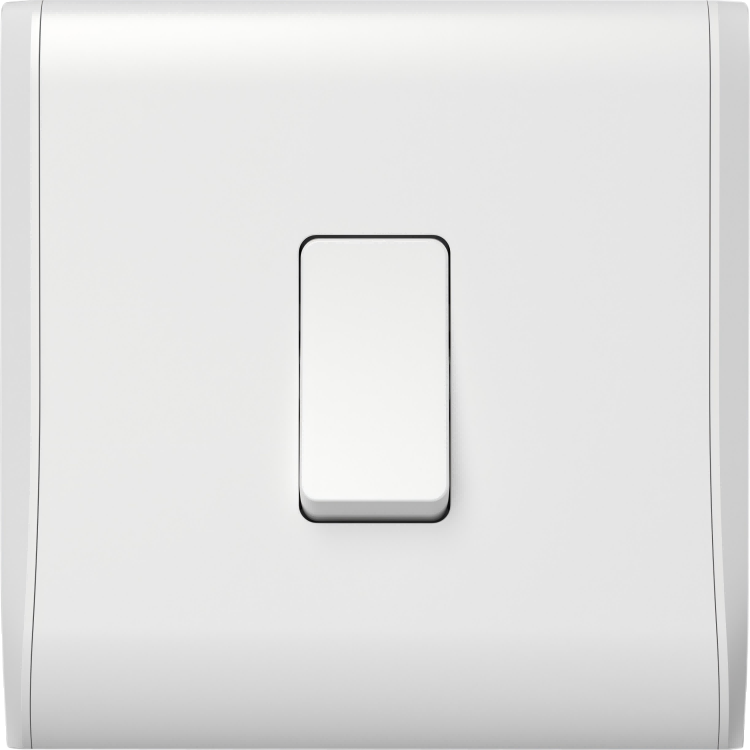
Where to Source Reliable WiFi Light Switch Suppliers

Where to Source Reliable WiFi Light Switch Suppliers

Finding the right  suppliers for  WiFi  light switches is crucial for  ensuring product quality and reliability. Consider the following strategies:

Industry Associations and  Trade Shows: Engaging with industry associations or attending trade shows can  connect you with  reputable suppliers  who specialize in electrical components and smart technologies.

Online Marketplaces and B2B  Platforms:  Websites like Alibaba or ThomasNet can provide access to a wide range of manufacturers. Look for suppliers with  positive reviews, verified ratings, and  clear communication.


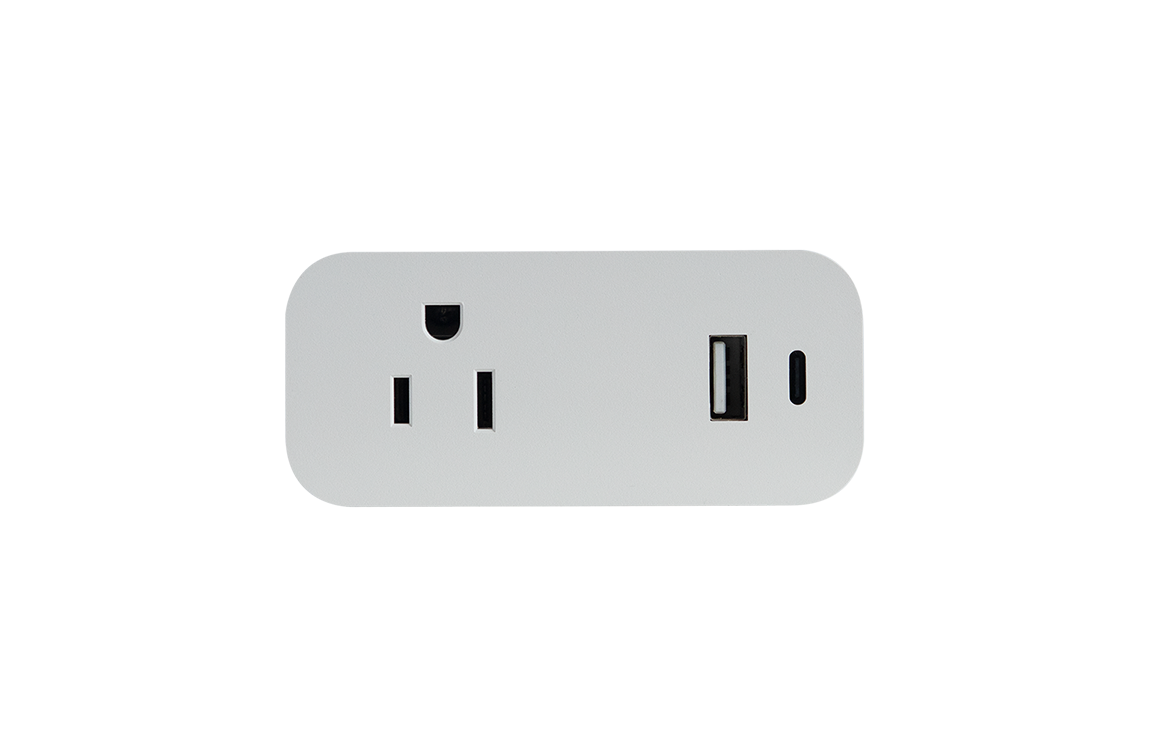
Direct Manufacturer Engagement: Companies like Zhejiang TAOS Electric Co., Ltd.  offer a robust  range of British  Standard wiring accessories, including WiFi light switches. Establishing a direct relationship with manufacturers can facilitate better  pricing, customization options,  and faster response times. They also provide smart plugs like DL16244UM-FRA for enhanced functionality.

Before finalizing a supplier, conduct  thorough research into their production  capabilities, lead times, and customer service reputation to ensure a smooth purchasing experience.

Installation Guidelines for WiFi Light Switches in Commercial Spaces

Installation Guidelines for WiFi Light Switches in Commercial Spaces

Proper installation of WiFi  light switches is  vital to ensure functionality and safety. Here are essential guidelines to follow:

Professional Installation: It is advisable to hire a qualified  electrician to install WiFi light switches, especially in commercial settings where electrical codes and safety  standards must be strictly followed.

Wiring Compatibility: Ensure the existing wiring is compatible with the new switches. Many WiFi switches require  a neutral wire, which older buildings  may not have. Assessing wiring needs  prior to  purchase can prevent  installation delays.

Placement Considerations: Position  the switches in  locations with good WiFi  coverage to avoid connectivity issues. Avoid placing them in areas with potential interference from other electronic devices.

Testing:  After installation, ensure  to test each  switch for connectivity, functionality, and responsiveness.  This step helps to  identify any issues early  and before  the system  goes live.

Following these installation guidelines minimizes operational disruptions and enhances the overall effectiveness of your smart lighting solutions.

Cost Factors to Consider When Purchasing WiFi Light Switches

When budgeting  for WiFi  light switches, several cost factors should be considered:

Unit  Pricing: Prices for WiFi light  switches can vary significantly  based on features and brand reputation. Assessing the total cost of ownership rather than  just the upfront price is crucial.

Installation Costs: Factor in the  cost of professional installation, which can vary based on local labor rates and  the complexity of the installation.

Long-term Savings: Consider potential energy savings from using smart switches,  which can lead to  reduced electricity bills.  Some models offer energy usage tracking and scheduling features, which can contribute to cost  savings over time.

Warranty and  Support: Evaluate the warranty terms offered by suppliers. A more extended warranty may indicate higher  confidence in product durability and can save replacement costs in the long run.

By  understanding these cost factors, you can make more informed decisions that align with your budget and  operational goals.

Leveraging comprehensive knowledge of  WiFi light switches—ranging from specifications and quality assessment  to installation guidelines  and cost considerations—can empower B2B buyers to make strategic decisions in  their purchasing processes.

Understanding WiFi Light Switch Specifications and Features

When evaluating WiFi light switches, it's essential to understand the key specifications that define their performance and compatibility with your existing wiring and smart systems. Key specifications include:

Wireless Protocols: Most WiFi light switches  operate on protocols like Wi-Fi, Zigbee, or Z-Wave. Ensure compatibility with your existing  smart  home  ecosystem to avoid connectivity issues. Load Capacity: The load rating indicates  the maximum wattage the  switch can handle. It’s crucial to match this with the total wattage of the fixtures connected to avoid  overheating  or failures. Design  and Size: Dimensions can vary, affecting installation in  existing switch  boxes. Consider the aesthetics and how the switch fits with  other fixtures in your space. Features: Look for additional  functionalities like dimming capabilities, scheduling, and integration with security  systems, which can enhance user  experience and energy  efficiency.

Understanding these specifications helps in selecting a WiFi light switch  that meets  your operational needs and environmental  considerations, which is especially  important for commercial installations.

Get a Free Quote

Our representative will contact you soon.
Email
Name
Mobile
Company Name
Message
0/1000

Related product categories

WhatsApp: +86-13626773071
Live Chat

Get a Free Quote

Our representative will contact you soon.
Email
Name
Mobile
Company Name
Message
0/1000