Smart Wall Lights: Essential Guide for Bulk Orders

All Categories

smart wall light

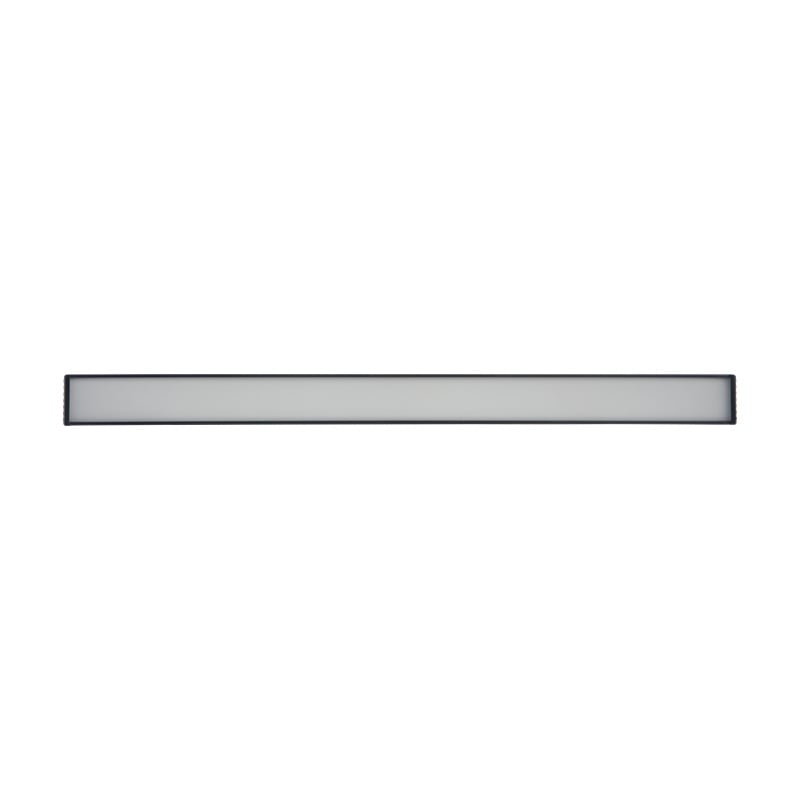
Smart wall lights  are innovative  lighting solutions that  combine  functionality with modern technology, making them an essential choice for  a wide  range of applications  in commercial and industrial  settings. As  a purchasing  manager or distributor, your  main concerns  may include energy  efficiency,  installation requirements, customization options, and overall cost. This article will guide you through  important  considerations, sourcing reliable suppliers, cost factors, installation  guidance, and the  features and benefits of smart wall lights, helping you make  informed purchasing decisions.

 

Our Products

Where to Source Reliable Suppliers for Smart Wall Lights

Where to Source Reliable Suppliers for Smart Wall Lights

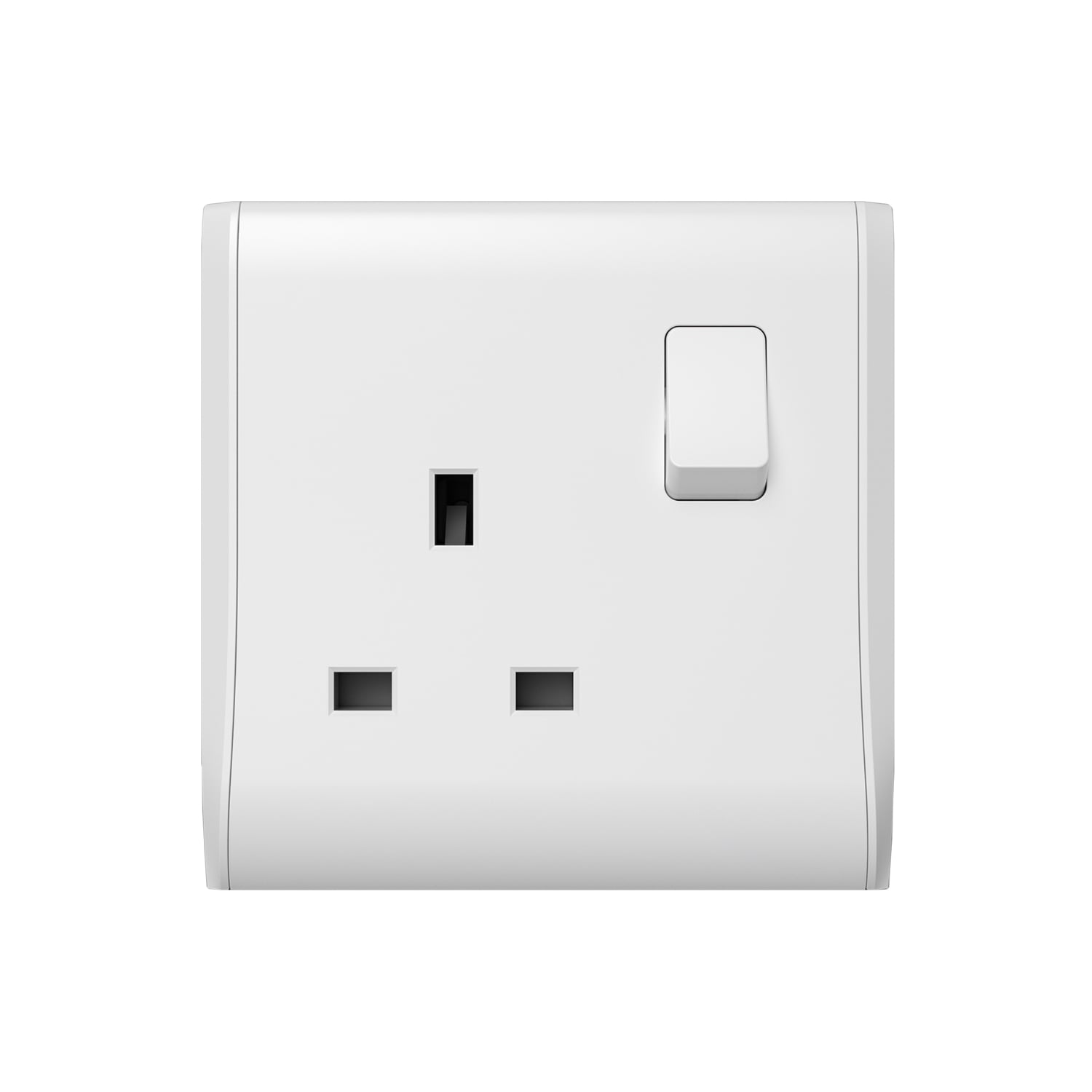
Finding reliable suppliers for smart wall lights involves thorough research  and evaluation. Start by identifying manufacturers with a strong track record in producing high-quality wiring accessories, like Zhejiang TAOS Electric Co., Ltd. Their  expertise in British  Standard wiring accessories ensures  adherence to quality and safety standards.

Utilize industry directories and trade shows to  discover potential  suppliers.  Attending events allows for  direct interaction, enabling you to assess  product quality firsthand and discuss customization options. Online platforms  also provide  valuable reviews and ratings from other buyers, which can guide your selection process.

When evaluating suppliers, consider  their production  capabilities. Look for manufacturers with  advanced  production  equipment  and quality control processes in place. These factors can significantly impact product consistency and  reliability. Furthermore, ensure they have  experience exporting to your target markets,  as this can influence lead times and shipping logistics.
Cost Factors to Consider When Purchasing Smart Wall Lights

Cost Factors to Consider When Purchasing Smart Wall Lights

Understanding  the cost factors associated  with smart wall lights is crucial for budget management. The  primary aspects influencing price include the material, technology, and design complexity.  For example, lights  featuring advanced smart technology with multiple functions (such as motion sensors, dimming capabilities, and color changes) typically come  at a higher price point.

Volume discounts are also significant. Many suppliers offer reduced prices for  bulk orders, which can lead to substantial  savings. Be sure to inquire about MOQs  and  how they affect  pricing.

Additionally, consider the total cost of ownership. While  the initial purchase price is important, energy efficiency and maintenance costs should also be factored in. LED smart wall  lights,  for instance, may have  a higher upfront  cost but lower energy expenses over time, making them a more economical  choice in the long  run.

Lastly, don't forget to account for shipping and handling fees. These can vary based on the supplier's location and your delivery requirements, so it’s wise to  clarify  these costs upfront to avoid surprises.

Installation Guidance for Smart Wall Lights in Various Applications

Installation Guidance for Smart Wall Lights in Various Applications

Proper installation of smart wall lights is essential for  optimal performance and safety. Begin by reviewing the installation manual provided by the manufacturer, as  it will contain specific guidelines tailored to  the model you are using.

For commercial applications, consider the mounting height and spacing between lights to achieve uniform illumination. This is particularly important in areas  like hallways  and  conference rooms, where adequate lighting enhances functionality and  safety.

In  industrial settings,  ensure that the  installation  complies  with relevant safety  standards and regulations. Pay attention to the environmental  conditions—such as exposure to moisture or extreme temperatures—that may  affect the choice of smart wall light.

Engaging a qualified  electrician  for installation is advisable, especially for complex systems  that require integration with existing electrical networks or smart home systems. This ensures that  the installation is performed correctly and safely, minimizing the risk of  operational issues.

Features, Benefits, and Value

Smart wall  lights offer a range of features that enhance both functionality and user experience. Notable features include remote control  capabilities, allowing  users to  adjust lighting settings from their smartphones or other devices. This convenience is particularly beneficial in commercial  environments where lighting needs  may change throughout the day.

Another key benefit is energy efficiency. Smart wall lights typically  use LED technology, which consumes significantly less power than traditional bulbs,  resulting in lower energy bills. Additionally, many models include sensors that automatically adjust brightness based on ambient light or occupancy,  further  reducing energy  consumption.

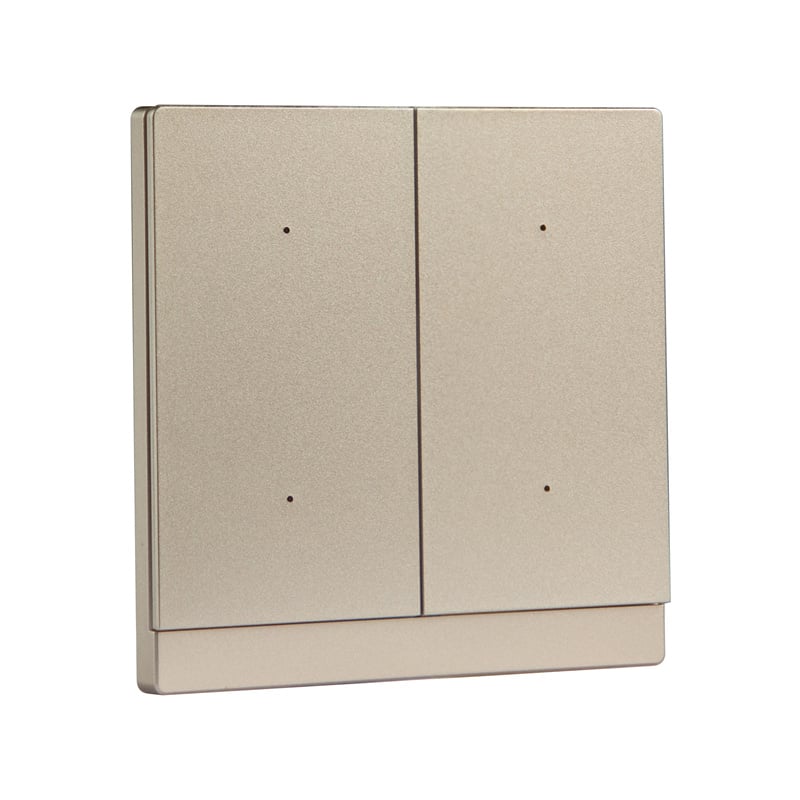
The aesthetic  value of smart wall lights cannot  be overlooked. They come  in various designs and finishes, enabling customization to match any décor. This flexibility  makes them suitable for diverse applications,  from modern office spaces to sophisticated retail environments.

In summary, investing in smart wall lights can lead to significant long-term  savings and enhanced operational efficiency. By considering the factors outlined ,  you can make informed decisions  that meet your clients' needs and  contribute to successful project outcomes.

What to Consider When Choosing Smart Wall Lights for Bulk Orders

When selecting smart wall lights for bulk orders, several critical factors should be evaluated. First, consider the application—whether the lights will be used in commercial spaces,  industrial environments, or residential settings. Understanding the specific requirements of the application will guide decisions on brightness, color temperature, and  functionality.


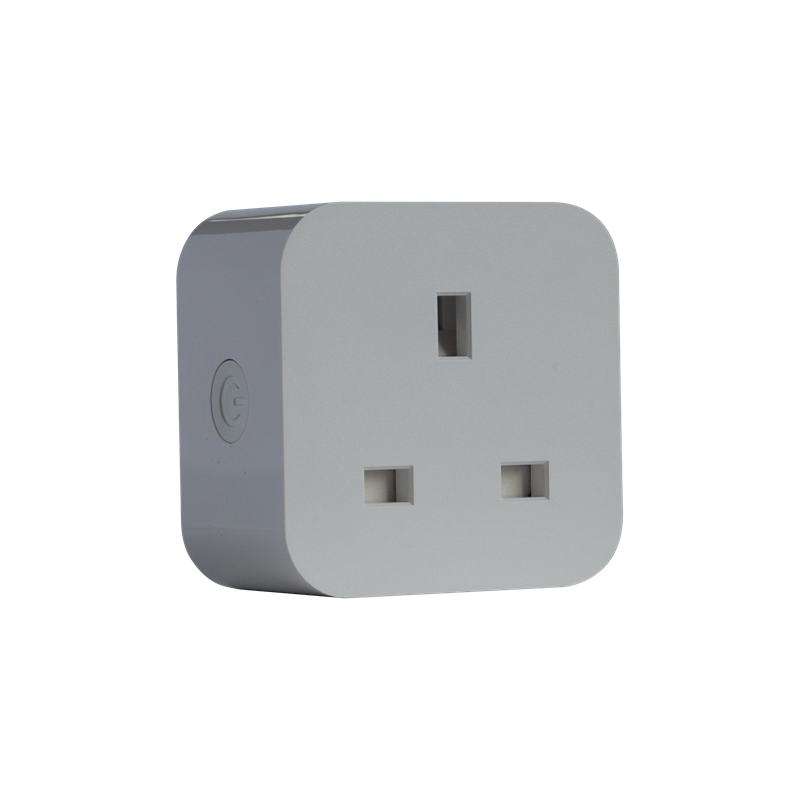
Next, pay attention to compatibility with existing systems. Smart wall lights often integrate with various smart home and building management  systems, so confirm compatibility  with your  clients' current setups. Look for features like wireless  connectivity—Wi-Fi, Bluetooth, or Zigbee—as these will affect ease  of installation and user experience. Additionally, consider integrating other devices such as a Smart Plug to enhance your smart lighting experience.

Energy efficiency is  another vital consideration. Opt for LED smart wall lights,  as they consume less energy and have a longer lifespan compared to  traditional lighting  solutions. This  not  only reduces  operational costs but also appeals to environmentally conscious clients.

Finally, assess  customization capabilities. Many manufacturers offer  options for tailored designs, such as  specific colors or finishes,  which can enhance  the aesthetic appeal of a project. Understanding the minimum order quantities (MOQs) and lead times for customized products is essential for effective project planning.

Get a Free Quote

Our representative will contact you soon.
Email
Name
Mobile
Company Name
Message
0/1000

Related product categories

WhatsApp: +86-13626773071
Live Chat

Get a Free Quote

Our representative will contact you soon.
Email
Name
Mobile
Company Name
Message
0/1000