Choosing Electrical Cables for Wholesale Orders

All Categories

electrical cable

When purchasing electrical cables for wholesale  orders, it’s  essential to navigate the complexities of specifications,  quality standards, and supplier reliability. Electrical cables are critical  components in a wide  range of applications, from residential  wiring  to industrial setups. Buyers often face concerns about quality  assurance, compliance  with standards, and the  suitability  of cables  for  specific uses. This article aims  to provide comprehensive insights into selecting  the right  electrical cables,  evaluating their quality, and sourcing them effectively  from reliable  suppliers.

 

Our Products

How to Evaluate Electrical Cable Quality for Your Projects

How to Evaluate Electrical Cable Quality for Your Projects

Evaluating the quality of electrical  cables is paramount to ensuring safety and performance.  Here are  key  aspects  to consider during  the evaluation process:

Material Verification: Confirm that the cables are made from the specified  materials. Buyers should request sample  materials for testing or certification  documents from suppliers. This helps ensure the cable will perform as  expected in its application.

Visual Inspection:  Before installation, visually inspect the cables for any physical damage, including cuts, abrasions, or deformities. Cables should have consistent insulation  thickness and no exposed conductors.

Testing: Conduct electrical testing to verify performance characteristics such as resistance and insulation integrity.  This is particularly important for high-voltage applications where failure could have serious consequences.


Supplier Certification: Choose suppliers who adhere  to quality management systems, like  ISO certifications,  to ensure consistent manufacturing processes. This can reduce  the risk of quality issues during production.

By implementing these evaluation techniques, buyers can significantly  mitigate the risks associated with subpar  electrical cables.
A Buyer's Guide

A Buyer's Guide

When preparing to  purchase electrical cables, having a structured  approach can facilitate a smoother transaction. Here’s a straightforward guide to help you through the buying  process:


Define Your  Requirements: Identify the specific cable type, gauge, insulation material, and length you  need based on your application. Be  clear about the expected performance characteristics.

Request Quotations: When reaching out to suppliers, include detailed specifications in  your RFQ.  Mention the  required quantity, any customizations needed, and delivery timelines to receive accurate pricing and lead time  estimates.

Compare Suppliers: Evaluate potential suppliers based on their manufacturing capabilities, quality certifications, and customer feedback.  A supplier with a strong reputation and experience in your industry is often a safer choice.

Sample Testing: Before committing to a large order, request samples of  the cables to assess quality, suitability, and performance under actual working conditions.

Order Confirmation: Once you’ve selected a supplier, confirm the order  details, including pricing, lead times, and shipping arrangements, to avoid misunderstandings later in the procurement process.

Documentation: Ensure that  you receive all  necessary documentation, including compliance certificates, material safety data sheets (MSDS), and warranty information.


Following this guide can streamline the purchasing process and help ensure  that  you select the right electrical cables  for your projects.

Where to Source Reliable Electrical Cable Suppliers for Bulk Purchases

Where to Source Reliable Electrical Cable Suppliers for Bulk Purchases

Finding reliable suppliers is  crucial for  securing  high-quality electrical cables. Here  are effective strategies to source potential suppliers:

Industry Directories: Utilize online industrial  directories and B2B marketplaces that  specialize in electrical components. Websites like Alibaba, ThomasNet, and others  can help connect you  with  manufacturers and distributors.

Trade Shows and Exhibitions: Attend industry trade shows where  manufacturers showcase their products. This provides an opportunity to meet suppliers in person, inspect their offerings, and  discuss your specific needs.

Referrals and Networking: Leverage your professional network to ask  for recommendations.  Colleagues or industry contacts who have experience with specific suppliers can provide valuable insights.

Online Research: Conduct thorough online research to find suppliers with  positive reviews and proven track records. Look for  case studies or  testimonials that demonstrate their capabilities  and reliability.

Local Manufacturers: Consider sourcing from manufacturers within  your  region. This can  reduce shipping costs and lead times while allowing for easier communication.

Once you identify potential suppliers, evaluate them based on their production capacity, quality assurance processes, and ability to meet your customization needs.

Common Installation Problems with Electrical Cables and Their Solutions

Electrical  cable installation can present various challenges that may impact performance and safety. Here are some common problems and their solutions:

Cable Overheating: This can  occur if the  cable gauge is too small for the current load. Always  ensure that the correct gauge is used based on the  anticipated electrical load to prevent overheating and  potential hazards.

Improper Termination: Poorly  terminated connections can lead  to arcing and electrical  failure. Ensure that cable terminations  are done correctly, following manufacturer guidelines, and that  connectors are compatible with the cable type.

Moisture Exposure: If cables are installed in damp environments without proper insulation, moisture can compromise their integrity. Use cables designed for such conditions, ensuring they have adequate waterproofing and  insulation ratings.

Physical Damage: Cables can be damaged during installation if not handled properly. Train installation staff on safe handling practices and ensure that cables are protected  from mechanical stress during the installation process.

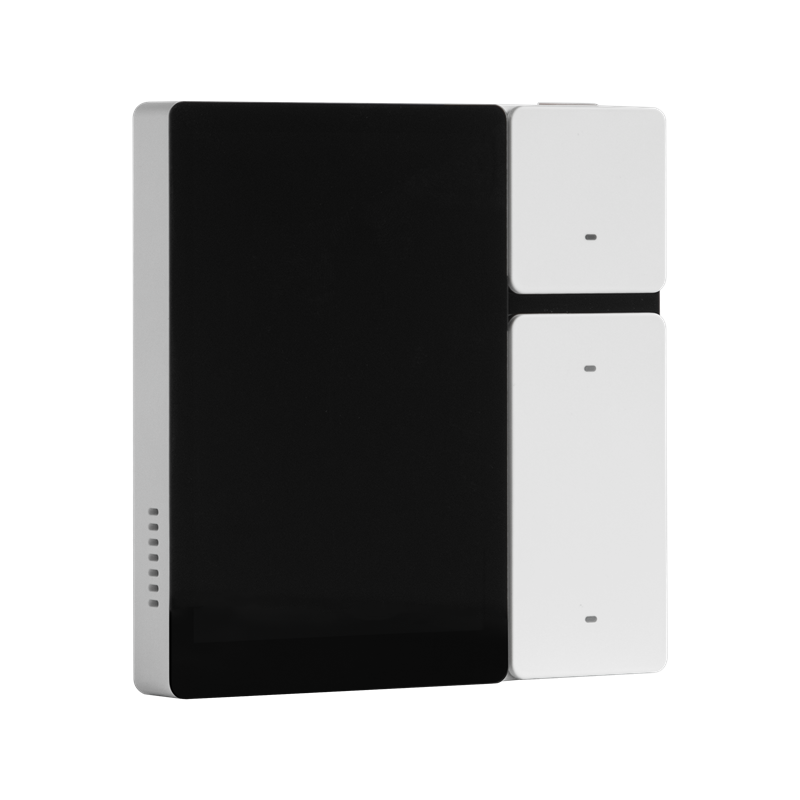
Interference:  In environments with high electromagnetic interference (EMI), cables can pick up  noise that affects performance. Using shielded cables can help mitigate this issue, much like the protection offered by devices such as the SCP-NS8 — 8-inch Smart Scene Panel.


By anticipating these problems and implementing solutions  proactively, buyers and installers can enhance the reliability of their electrical systems.

Navigating the complexities of selecting and sourcing electrical  cables requires a blend of product knowledge and strategic planning. By considering critical  factors in the selection process, evaluating quality meticulously, and sourcing from reliable suppliers, buyers can ensure successful project outcomes and long-term satisfaction with their electrical cable investments.


What to Consider When Choosing Electrical Cables for Wholesale Orders

When selecting electrical  cables, several factors come into play. First and foremost, understanding the application is crucial. Different environments—be it industrial,  commercial, or residential—may  require different types of cables. For instance, in industrial settings, options like the Downlight Spotlight can be an excellent choice for specific applications.

Specifications: Consider the cable’s gauge, insulation type, and voltage rating. For example, a thicker wire (lower gauge number) can carry more current than a thinner wire, which is vital for high-power applications.

Material: Cables are typically made from copper or aluminum. Copper is favored for its superior conductivity; however, it  is  also more expensive. Aluminum, while lighter and cheaper, may not  always meet the same performance standards as  copper.

Compliance and Standards: Ensure that the cables meet relevant local and international standards,  such as British Standards  (BS) for wiring accessories. Compliance ensures safety  and reliability in the intended  application.


Customization: Depending on the project requirements, customization options such as length, color coding, and insulation  type may be necessary. Discuss these  requirements with your supplier.

Minimum Order Quantities (MOQs): Understand  the MOQ for  different types of cables, as this  can affect your  purchasing strategy and budget.

By considering these aspects, buyers can make informed decisions that align with  their project needs and  budget constraints.

Get a Free Quote

Our representative will contact you soon.
Email
Name
Mobile
Company Name
Message
0/1000

Related product categories

WhatsApp: +86-13626773071
Live Chat

Get a Free Quote

Our representative will contact you soon.
Email
Name
Mobile
Company Name
Message
0/1000